FAQs: Iran Crisis & Operation Epic Fury — Why the PH Must Remain Vigilant
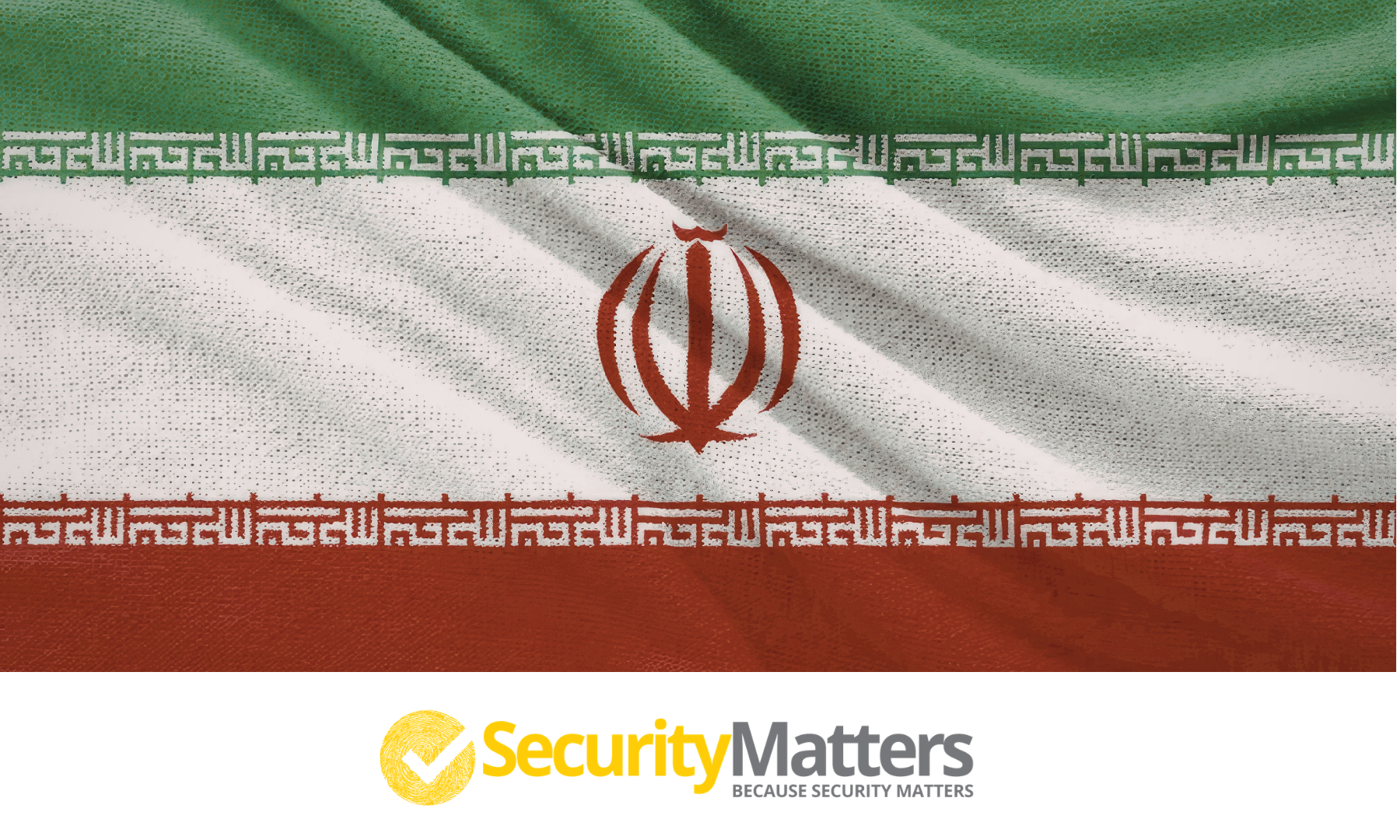
The geopolitical “pressure cooker” of the early 2020s finally shattered on the morning of February 28, 2026. What was once a shadow war fought in the digital ether and through proxies has escalated into a high-intensity kinetic conflict. As the smoke rises over Tehran and the Strait of Hormuz falls silent, the world is witnessing the birth of a new, fragmented era of security.
The Philippines may be 7,000 kilometers away from the missile arcs of the Persian Gulf, but in an era of hyper-connected supply chains, distance is a relic of the past. While the Department of National Defense (DND) and the Armed Forces of the Philippines (AFP) have clarified that there is currently no credible direct threat to the archipelago or its military facilities (including EDCA sites), the “economic shrapnel” from this explosion is landing in Manila with devastating precision.
Read more: DND, AFP: Middle East conflict poses ‘no direct threat’ to PH territory.
The Anatomy of Operation Epic Fury
The conflict was ignited by Operation Epic Fury, a massive, coordinated preemptive strike launched by the U.S. and Israel on Saturday. The mission’s stated goal was the total neutralization of Iran’s nuclear capabilities and military command following the collapse of diplomatic talks. High-precision strikes resulted in the confirmed death of Supreme Leader Ayatollah Ali Khamenei over the weekend, an event later confirmed by Iranian state media. Iran responded by launching waves of missiles and drones targeting U.S. and Israeli interests, causing widespread airspace closures and damaging tankers in the Gulf.
Iran’s most critical move, however, was the shuttering of the Strait of Hormuz, which handles 20 million barrels of oil per day, or roughly one-fifth of the world’s daily consumption. This blockade has shifted the war from a military struggle to an economic one, forcing global logistics to abandon “Just-in-Time” delivery models as ships reroute around Africa. This disruption has caused local pump prices to surge today, March 3, by ₱1.90 per liter for gasoline and ₱1.20 per liter for diesel, marking the seventh straight week of fuel increases.
Read more: Iran’s supreme leader killed in US-Israel attack; Hormuz blockade declared
The Business Implication: From Boardrooms to Sari-Sari Stores
The Philippine Chamber of Commerce and Industry (PCCI) and the Federation of Philippine Industries (FPI) have issued grave warnings regarding the conflict’s “inflationary shock.” Because the Philippines sources nearly 100% of its crude oil imports from the Middle East, the blockade is not just a distant event but a direct threat to the purchasing power of ordinary Filipinos. Business leaders emphasize that MSMEs (Micro, Small, and Medium Enterprises), which lack large financial buffers, are the most acutely exposed to rising transport and power costs.
In the financial markets, the PSEi plummeted 2.79% on Monday as investors fled to “safe-haven” assets like gold and oil. Major conglomerates, including SM Investments Corp (SMIC), have expressed cautious optimism but acknowledge that the conflict poses a significant risk to domestic consumption and provincial retail growth, especially if remittances from the Middle East—which account for roughly 16% of total inflows—begin to decline. Furthermore, travelers are feeling the pinch as Philippine Airlines, Emirates, and Etihad canceled numerous flights to the region through March 3.
Read more: PH biz groups sound alarm on Middle East conflict.
Government Response
The Department of Energy (DOE) convened an emergency meeting on Monday with independent oil firms to secure commitments for supply stability. Energy Secretary Sharon Garin warned that while local firms maintain one to two months of inventory, the full impact of the Hormuz blockade will likely hit pumps next week, potentially pushing oil prices beyond $100 per barrel. To mitigate this, the DOE is exploring a “staggered” price implementation strategy to ease the burden on motorists.
In the local government sector, Manila Mayor Isko Moreno Domagoso has issued Executive Order No. 7, mandating a 50% reduction in fuel consumption for the city government. Similar proactive measures are being seen in Cebu, where Governor Pamela Baricuatro directed all provincial offices to implement fuel-saving protocols and intensified price monitoring for basic commodities like rice and sugar.
Read more: DOE holds emergency meeting on Iran crisis.
Humanitarian Vigilance: The OFW Crisis
Despite the physical hostilities remaining localized, the Department of Migrant Workers (DMW) and the DFA are maintaining high crisis alert levels across eight Middle Eastern countries. While mandatory evacuation (Alert Level 4) remains limited to Syria, Yemen, and Gaza, over 100 Filipinos in Dubai and 52 in Israel have already requested voluntary repatriation.
Secretary Hans Leo Cacdac confirmed that while mass repatriation is not yet required, the government is coordinating with the AFP to ensure military assets, including C-130 transport aircraft, are available should air options remain non-viable. The ₱5.0 billion AKSYON Fund has been activated to provide reintegration support and emergency aid to returning workers.
Read more: Government prepares for mass OFW evacuation in the Middle East.
Frequently Asked Questions (FAQs)
- Is there a military threat to the Philippines or EDCA sites? No. Security officials have reiterated that the hostilities are strictly localized to the Middle East. Secretary of National Defense Arsenio Andolong stated that the Philippines is not a participant and “poses no threat to Iran,” dismissing fears that EDCA sites—which are sovereign Philippine facilities—would be used to stage assaults. Read more: DND: No credible direct threat to PH or facilities.
- Why are fuel and food prices rising in the Philippines? The Philippines imports nearly 100% of its crude oil, much of it passing through the now-restricted Strait of Hormuz. High oil prices inflate the cost of “farm-to-market” logistics, leading to a domino effect on the price of basic goods like vegetables, rice, and meat. Read more: Fuel prices increase anew on March 3.
- What is the government doing for the 2.2 million OFWs in the region? President Ferdinand Marcos Jr. has ordered an interagency mobilization to ensure OFW protection. While the Department of Migrant Workers (DMW) has not yet ordered mass mandatory repatriation (as the situation is not yet at Alert Level 4), they are providing “intensified in-country assistance,” including transport to safer shelters and food for those affected by airport closures in Dubai and Israel. Read more: DMW intensifies aid to OFWs; no mass repatriation yet.
Real-Time Flight Advisory (As of March 3, 2026)
The Civil Aviation Authority of the Philippines (CAAP) reports that at least 45 flights to and from the Philippines have been canceled or diverted since the conflict escalated. Travelers are advised to check with their airlines before heading to NAIA.
- Philippine Airlines (PAL): Flight PR 685 (Doha to Manila) remains canceled for today.
- Cebu Pacific (CEB): Flights 5J 14/15 (Manila–Dubai–Manila) are canceled through March 4.
- International Carriers: Emirates and Qatar Airways have suspended most operations to Manila today due to airspace restrictions in the Gulf.Read more: LIST: Canceled flights as of March 2, 2026.
Family Crisis Checklist: Protecting Your Loved Ones Abroad
With 2.2 million Filipinos in the region, the Department of Migrant Workers (DMW) and OWWA have activated 24/7 rapid response systems. If you have relatives in the Middle East, follow this checklist to ensure their safety:
- Establish Contact: Ensure they have a working internet connection. The DICT has instructed telcos to maintain connectivity for OFWs in the region.
- Verify Emergency Hotlines: Keep these numbers saved:
- OWWA (International): (+632) 1348
- Dubai (MWO): +971 56 353 5558
- Saudi Arabia (Riyadh): +966 50 285 0944
- Israel (Philippine Embassy): +972 54 466 1188
- Register for Repatriation: Over 80 Filipinos in Dubai have already requested assistance. If your relative wishes to return, they should contact the nearest Migrant Workers Office (MWO) immediately. The ₱5.0 billion AKSYON Fund is ready to assist those displaced.
- Advise Vigilance: Instruct your relatives to follow local “Duck, Cover, and Hold” protocols, stay indoors during sirens, and strictly avoid sharing unverified political opinions on social media.
Read more:DMW: Exit points and repatriation plans ready for Filipinos.
Author