A Critical Look at the DFA Bomb Threat
AC Bscale(1.3) Dscale(1.3) enhenced_level(0) isOutdoor(0) result(1) FM0 CR1.04 FC111111111: bfalic 0211X:zzzzzH87020lzzzzzz0 7 935305c04385f04224503ea1040 c30 8a25d 0 038015c372 0 0 0 0 0 0 0 0372e131e140 17e 135fe144e14b 17e 134ce138e13e 17e 1360e11be118 27e 1369e135e133 27e 1372e140e13f 27e 1369e13fe13b 37e 1244ba218 3265212 011 028 014 02034365f64393a2d36201b26222623262629272f2b28292f2e3e392326292d44402829282a262827262c2b2b2f2b2a28292a243f3f2a292225138f1388138813881388138813881388138813881388138813881388138813881388138813881388138e1388138813881388138813881388138c138813881388138813881388138816fa13881388138816fa13881388138816d413881388138816e713881388138816fa13881388138816fa1388138813881389138813881388138813881388138816f113881388138816fa1388138813881388138813881388138813881388138813931388138813881388138813881388138813881388138813bd13881388138813881388138813881388138813881388138813881388138813881388138813881388138813881388138813881388138813881388138813881388138813881388138813881388138813881388138813881388138813881388
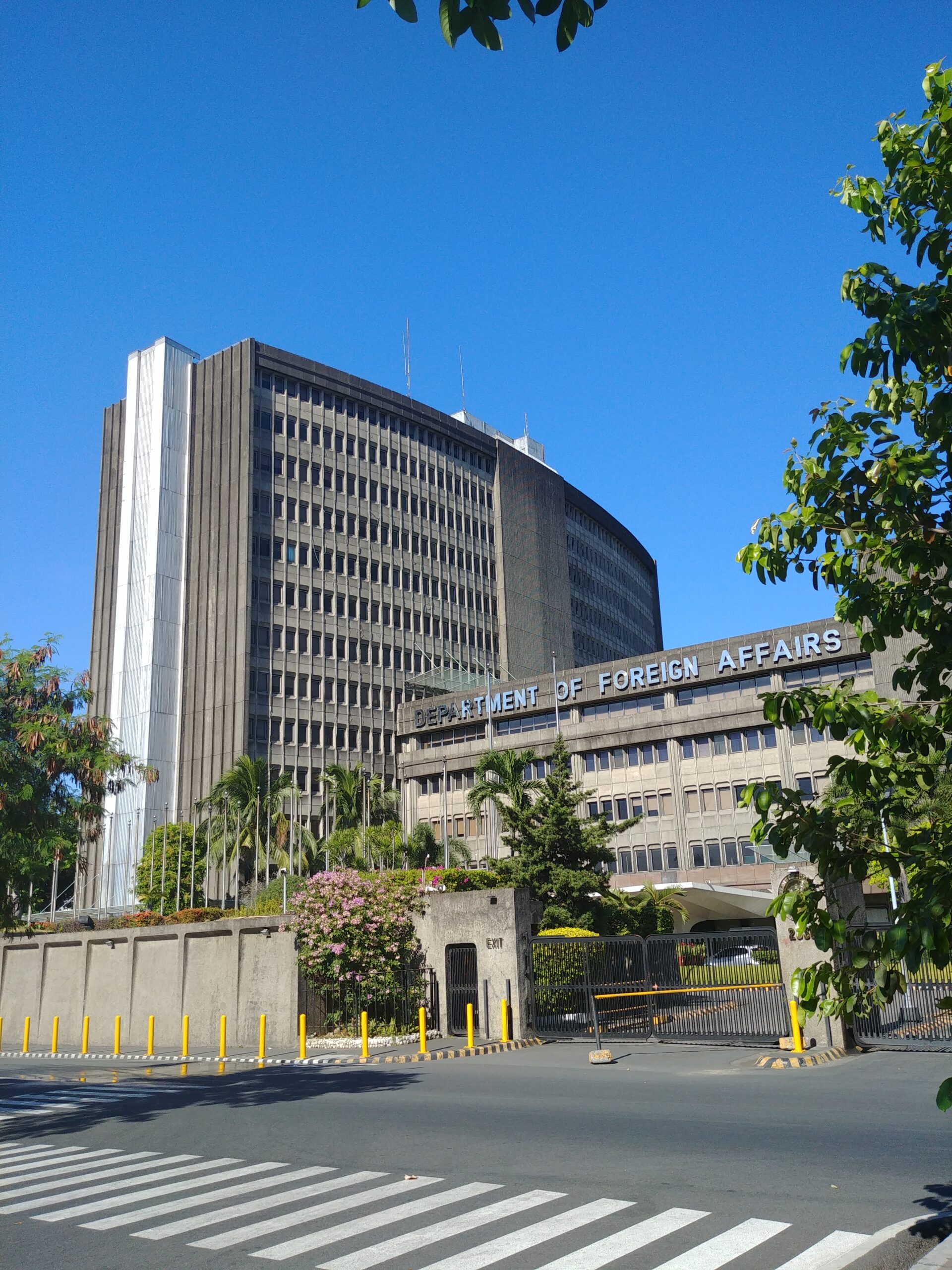
On September 17, a bomb threat targeting the Department of Foreign Affairs (DFA) in Pasay City prompted the evacuation of employees and a temporary halt to consular services. The danger, received via email at approximately 6:30 a.m., extended to Philippine consulates in Sydney, Ontario, and Hong Kong, signaling a possible coordinated effort. DFA officials swiftly disseminated information through internal channels, and preventive measures were immediately put in place under the direction of Raymund Toledo, head of the DFA intelligence unit.
By 8:43 a.m., Pamela Joy Tulio, a security officer at the DFA, informed Pasay police. Special Weapons and Tactics (SWAT) teams, Explosive Ordnance Disposal (EOD) units, and the Philippine Coast Guard’s K9 unit, led by Capt. Wilbert Aticao responded to the threat by extensively sweeping the DFA premises. After nearly an hour of searching, no explosives were found, and the building was cleared for employees to return.
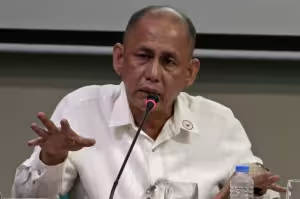
While no physical harm was inflicted, this incident disrupted DFA operations and exposed weaknesses in the security apparatus. Felix de Leon, head of the DFA intelligence security unit, confirmed that an internal investigation is ongoing to uncover the source of the threat and identify potential gaps in security protocols.
The bomb threat points to a broader issue of vulnerability in government institutions, particularly in an era where digital threats can materialize with alarming speed and anonymity. The coordinated nature of the emails, targeting multiple consulates, underscores the need for a reassessment of security policies, both physical and cyber. While the immediate threat was neutralized, the incident reveals the complexity of securing government infrastructure in a hyper-connected world.
The swift response by law enforcement deserves recognition, but it also prompts questions about the readiness of government agencies to handle natural and potentially more dangerous threats. Cybersecurity remains an underdeveloped area in many government agencies, and integrating cyber and physical security systems should be a pressing concern for national security planners.
Equally important is the psychological impact such threats have on employees. Evacuations and the constant threat of violence can create a work environment fraught with anxiety, potentially affecting productivity and morale. Government institutions, like the DFA, must focus on the technical aspects of threat mitigation and the human element—providing support systems and mental health resources to help staff cope with these disruptions.
As the investigation into this threat unfolds, the government needs to take a more holistic approach to security. This includes enhancing communication between consulates and headquarters, fortifying cybersecurity measures, and improving staff training on responding effectively to emergencies. Protecting public servants is more than physical safety—it is about ensuring their psychological well-being, intrinsically linked to their capacity to serve the public effectively.
This incident is a wake-up call for national institutions to adapt to the evolving landscape of security threats. The government must prioritize the integration of robust security frameworks to safeguard its employees and the essential services they provide to the nation.
Author